What Are Barefoot Shoes?
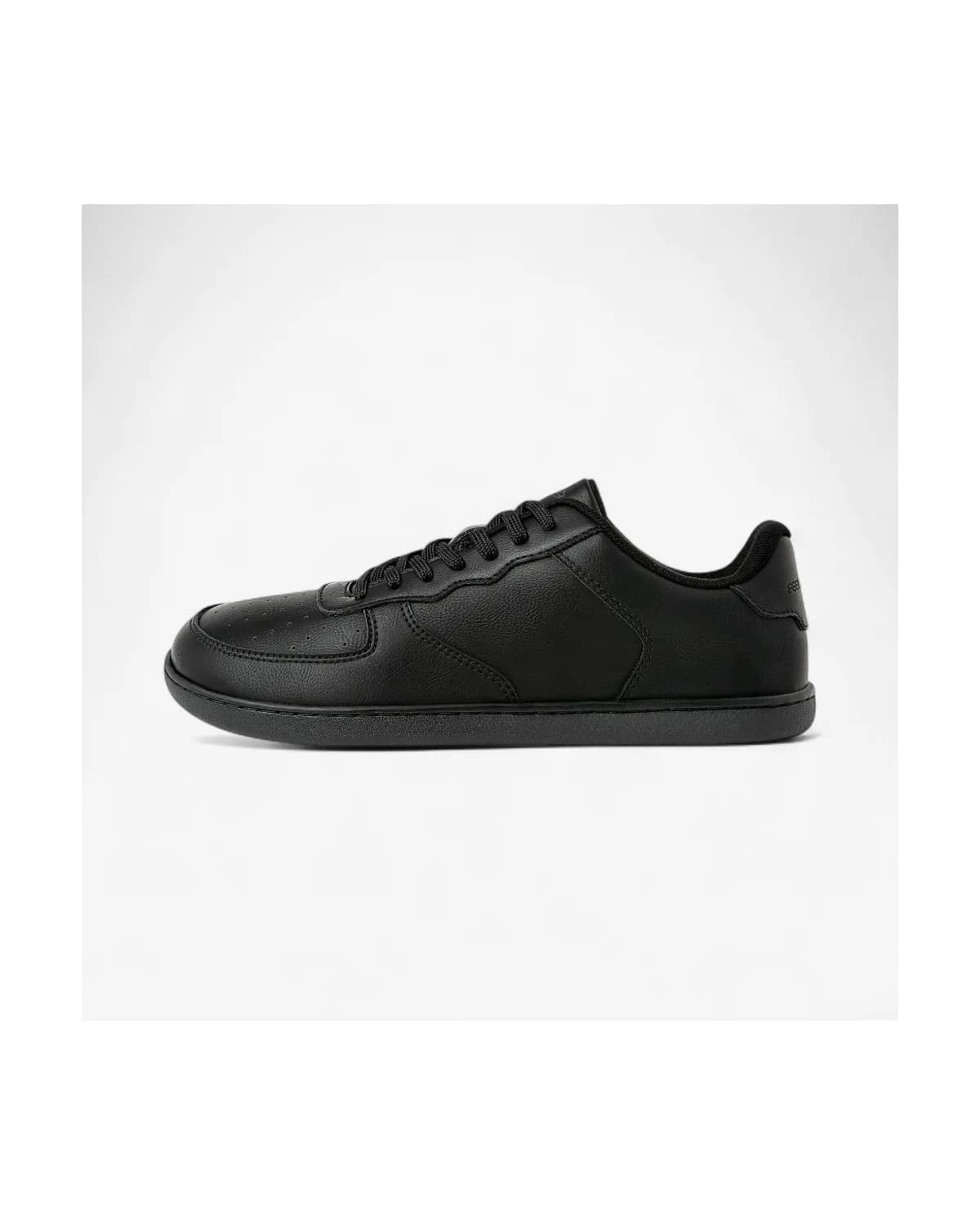
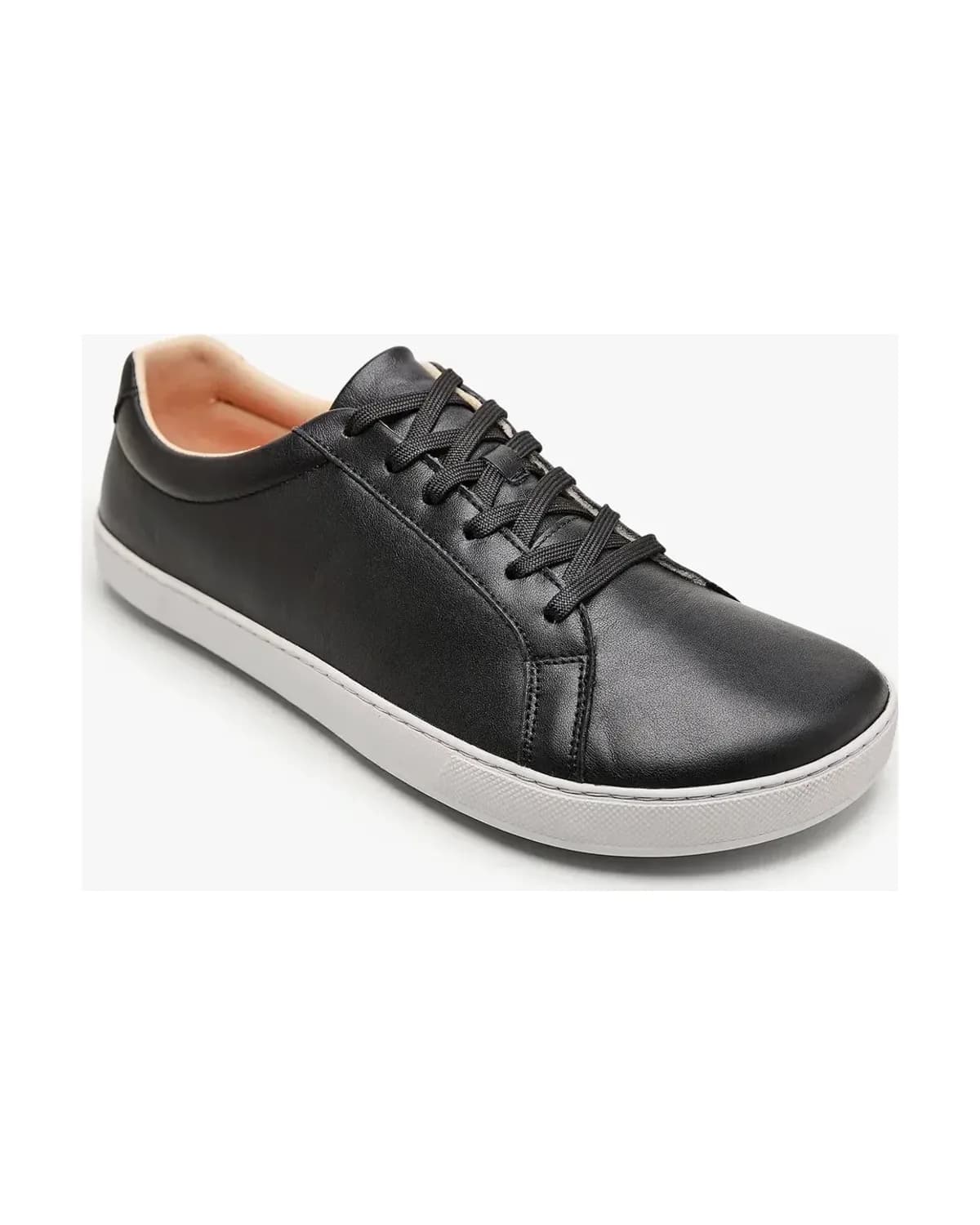
Barefoot shoes, also known as minimalist shoes, are designed to mimic the natural experience of walking or running barefoot. They have minimal cushioning and a flexible design, allowing your feet to be more connected to the ground.
My Journey with Barefoot Shoes
Years ago, I experienced a painful incident in which my brother pushed me off a swing and I landed vertically on my ankle. Despite having a very bad strain and/or break I never got it assessed and have suffered lasting complications ever since, such as very limited dorsiflexion in my ankle (range of motion).
Over time, I also began to notice that I was losing sensitivity in my feet and could no longer do things such as feel the arch in my foot or scrunch my toes. Without this much-needed sensitivity in my feet, my hips started to become misaligned and my gait unnatural, creating more problems up my kinetic chain.
On the days I walked more heavily I noticed more hip and back pain and realized there must be a disconnection between my feet and my hips. To walk pain free I couldn't just address my symptoms but instead had to focus on the root of the issue, my feet.
Barefoot vs Traditional Shoes
Barefoot shoes have several key differences from traditional shoes:
- Wide Toe Box: Barefoot shoes have a wider spacing for the toes, allowing them to spread naturally, reducing compression and promoting better alignment.
- Minimal Cushioning: Barefoot shoes often have a thin sole and minimal cushioning, helping your feet feel the ground directly, enhancing sensory input and promoting a natural gait.
- Flexibility: Barefoot shoes are highly flexible, allowing for a greater range of motion and reducing restriction on foot movement.
- Zero Heel Drop: Barefoot shoes have no heel drop, meaning there isn’t an elevation between the heels and the feet like in traditional shoes, requiring an increased range of motion from their users.
The Benefits of Barefoot Shoes?
By removing cushioning and support, barefoot shoes force the muscles in your feet to work harder. This leads to strengthened arches, improved balance, and enhanced sensory feedback. Over time, these benefits contribute to better posture, movement, and overall health. Wearing barefoot shoes also encourages a more natural gait, reducing the risk of developing dysfunctional movement patterns. This helps prevent imbalances and stress up the kinetic chain, potentially alleviating or preventing knee, hip, and back pain.
Transitioning to Barefoot Shoes
Switching to barefoot shoes requires an adjustment period and can be challenging at first. To avoid discomfort and injury, transition gradually by:
- Starting Slowly: Wear them for short periods initially, increasing the duration over time.
- Foot Exercises: Perform exercises to strengthen your feet and ankles, aiding the transition. (For a video explaining the best foot-strengthening exercises, click the link here)
- Progressive Adaptation: Allow your muscles and tendons time to adapt to the minimalist design before using barefoot shoes for extended periods.
Why Vivobarefoot shoes?
As I started to research the benefits of barefoot shoes I couldn’t help but hesitate. A lot of barefoot shoes I came across were for lack of a better word ‘ugly’. This was until my friend recommended Vivobarefoot shoes. I’ve worn my Vivo’s for over a year now and have fallen in love with them. They’re not only well made and highly functional but look very similar to everyday shoes, unlike other brands I’ve come across. Vivo caters to all needs and types of activities: hiking, road running, trail running, performance, lifestyle, etc, and prides itself on using bio, recycled, and natural materials.
Conclusion: Take a Step Forward
Barefoot shoes offer a valuable alternative to traditional footwear, promoting natural movement and strengthening your feet. While transitioning can be challenging, the long-term benefits include better posture, balance, and overall health and well-being. Make the jump, find the right pair, and integrate them into your lifestyle - you'll thank me later.
For the complete barefoot shoe guide, watch the video here.
Interested in buying your own pair of Vivo’s? Click this link to find out more.
Frequently Asked Questions (FAQs)
Are barefootshoes uncomfortable to wear?
Initially, they can be as your feet muscles need time to adapt and the lack of cushioning can cause discomfort, especially on hard surfaces. However, with time and a gradual transition, your feet adapt, and discomfort diminishes.
How do barefoot shoes improve foot health?
By promoting natural movement and strengthening foot muscles, barefoot shoes restore sensory input and improve alignment, leading to healthier movement patterns and potentially reducing health issues.
Are barefoot shoes good for running?
Barefoot shoes can be a beneficial option for running, promoting a natural stride, muscle strengthening, and enhanced sensory feedback. However, a gradual transition and adaptation period are essential for avoiding injuries and maximizing their benefits. Compared to the heel-striking gait of traditional footwear, the forefoot or midfoot striking that most minimalist shoes encourage puts more strain on the Achilles tendon, which may lead to injury if not careful.
Do barefoot shoes help flat feet?
Barefoot shoes can help individuals with flat feet by encouraging natural movement, strengthening the muscles that support the arch, and improving proprioception.
Can barefoot shoes help with knee pain?
Barefoot shoes can help alleviate knee pain by promoting a natural gait, strengthening muscles, and improving alignment. However, as mentioned above transitioning gradually is crucial to ensure positive results and to avoid potential injury. It is also important to get the opinion of a healthcare professional if you have or have had a serious knee injury and have concerns.
Can you wear barefoot shoes every day?
Once you have successfully transitioned to barefoot shoes, it is both safe and beneficial to wear them on a daily basis.